
Concerned About Your Child's Reading?
It's natural to have questions about your child's reading development. Whether you've noticed your child struggling, received concerns from a teacher, or simply aren't sure what to expect, you're in the right place.
This guide brings together trusted, research-based articles to help you understand your child's reading and decide on the next best step.
You May Want To Start Here
Every child's reading journey is different, but these articles are a great starting point
for parents who want to better understand what they're seeing.

Many first-grade reading struggles can be traced to a few common underlying skills, such as phonemic awareness, phonics, or decoding. Understanding the cause is the first step toward helping your child become a more confident reader.
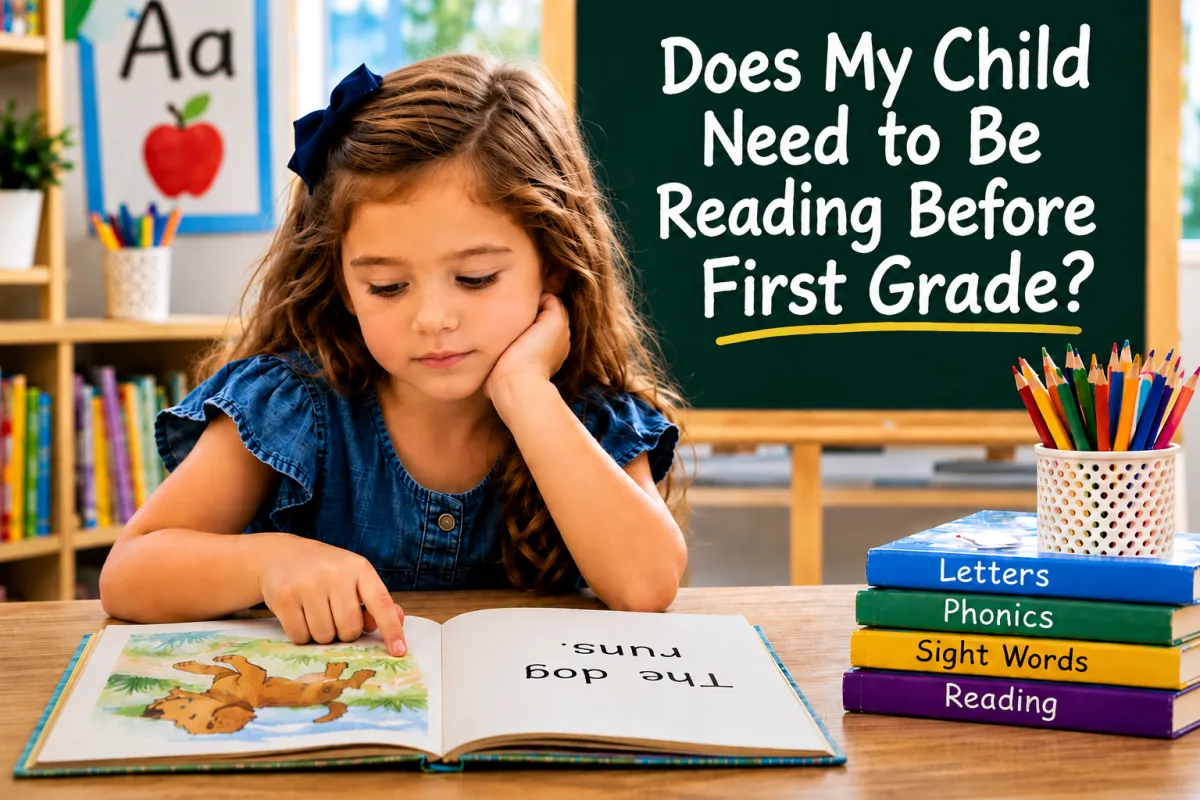
Most children do not need to know how to read before starting first grade. Understanding the range of reading abilities children may have when they begin first grade can help parents support a confident start to the school year.
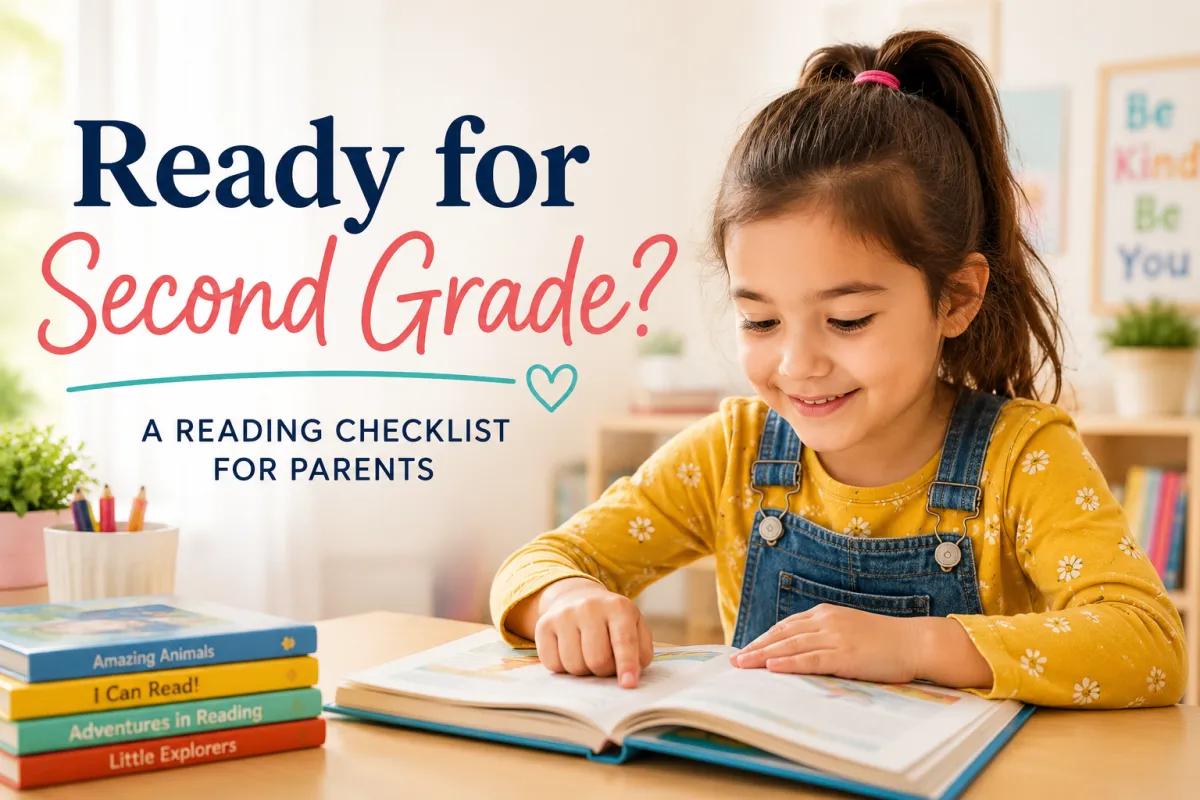
By the end of first grade, children should be making steady progress as readers. This checklist outlines the reading behaviors to look for as your child prepares to enter second grade.
More questions parents ask:
My First Grader Guesses at Words Instead of Sounding Them Out. Should I Be Concerned?
Children often guess at words because they haven't yet developed efficient decoding skills and may rely on pictures, context, or the first letter instead of reading the entire word.
Is Your Older Elementary Child Struggling to Read? 6 Signs of Reading Gaps and How to Help
Older elementary students often struggle with reading because they have one or more unaddressed gaps in foundational skills such as phonemic awareness, phonics, fluency, sight word recognition, or comprehension. Identifying these gaps is the first step toward providing the targeted instruction needed to help them become more successful readers.
Does My Child Need a Reading Assessment Before School Starts?
A reading assessment can help identify your child's reading strengths, the skills they are still developing, and whether additional support may be beneficial before the school year begins. It provides clarity about why reading may be difficult so you can make informed decisions about the best next steps.
6 Signs Your Child May Need Reading Support Before Second Grade
Children who avoid reading, guess at words, read slowly, struggle with common sight words, become frustrated during reading, or lack confidence may benefit from additional reading support before second grade. Identifying these signs early can help address small reading difficulties before they become bigger challenges.
Do you have other questions?
If you're still wondering about your child's reading, a personalized reading assessment can help identify strengths, pinpoint areas of need, and provide clear recommendations for next steps.
Based in Prairie du Sac, Wisconsin — Serving the Madison Area and Students Nationwide
Diane Marthaler Reading Tutor, LLC
Online Reading Tutor for First Grade and Grades K-6
(608) 218-4431
Prairie du Sac, Wisconsin